Why nursery rhymes still matter for little listeners
They look like simple fun. Underneath, nursery rhymes are doing real work for growing minds.
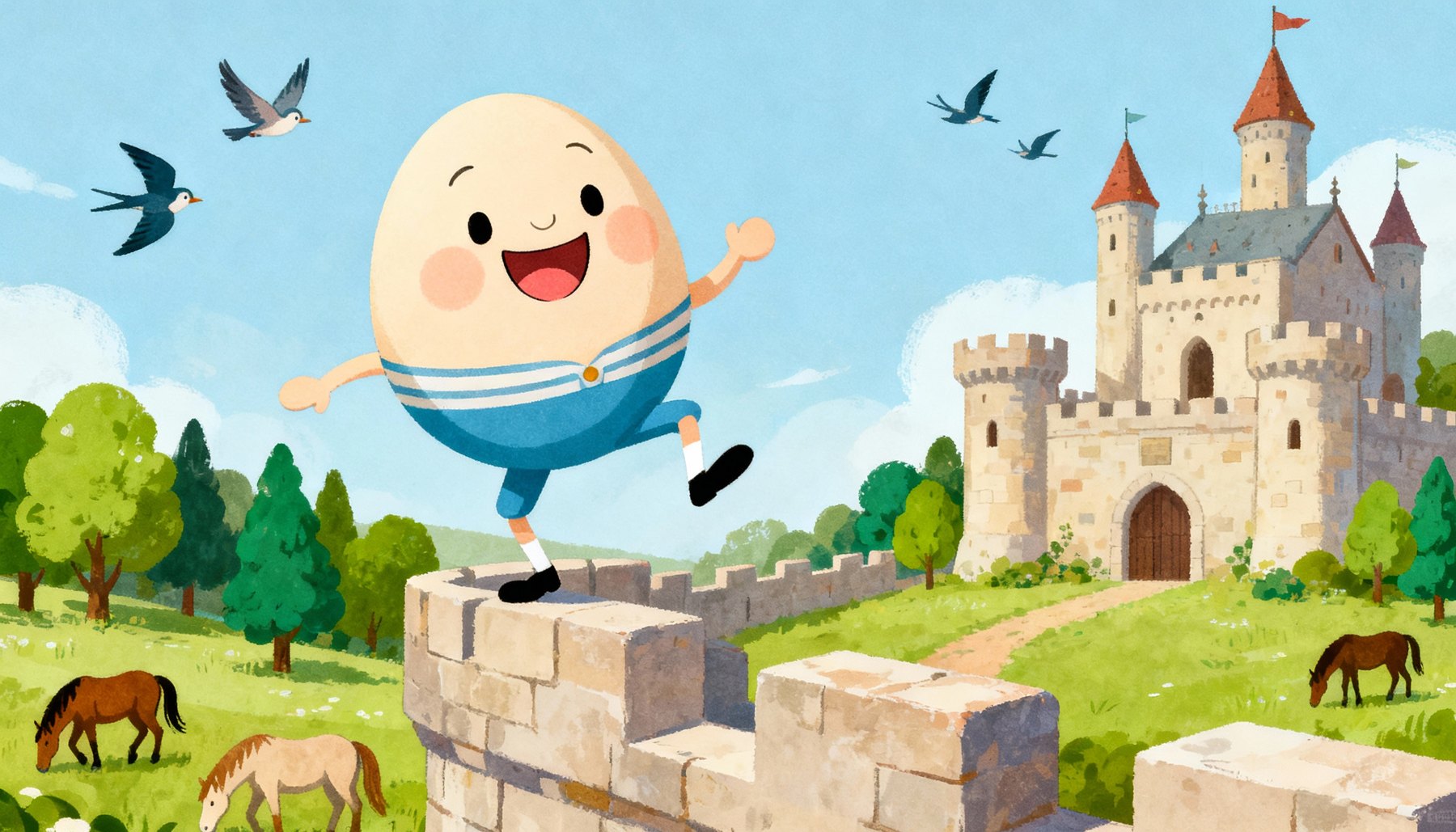
Nursery rhymes can seem almost too simple to matter. An egg on a wall, a star in the sky, a spider up a spout. But those tiny songs are doing a surprising amount of work for a developing brain.
The biggest gift is language. Rhyme and rhythm break speech into the small sounds words are made of — the exact skill that later becomes reading. Children who grow up on rhymes tend to find those first reading steps easier, because their ears have already been trained to hear the pattern.
Then there’s memory and sequence. A rhyme has an order: this happens, then this, then this. Learning to hold that order — and to anticipate the next line — is early practice for storytelling, for logic, for following how one thing leads to another.
Rhymes are social, too. They’re made to be shared — sung together, with claps and faces and a grown-up’s full attention. That shared delight is half the point; the song is the reason to sit close.
That’s the thinking behind Toons By Navy: keep the songs genuinely simple and genuinely warm, and the development takes care of itself. Little ones think they’re just having fun. They’re right — and they’re learning anyway.